Free Heat and
Energy from Horse Manure

Home page

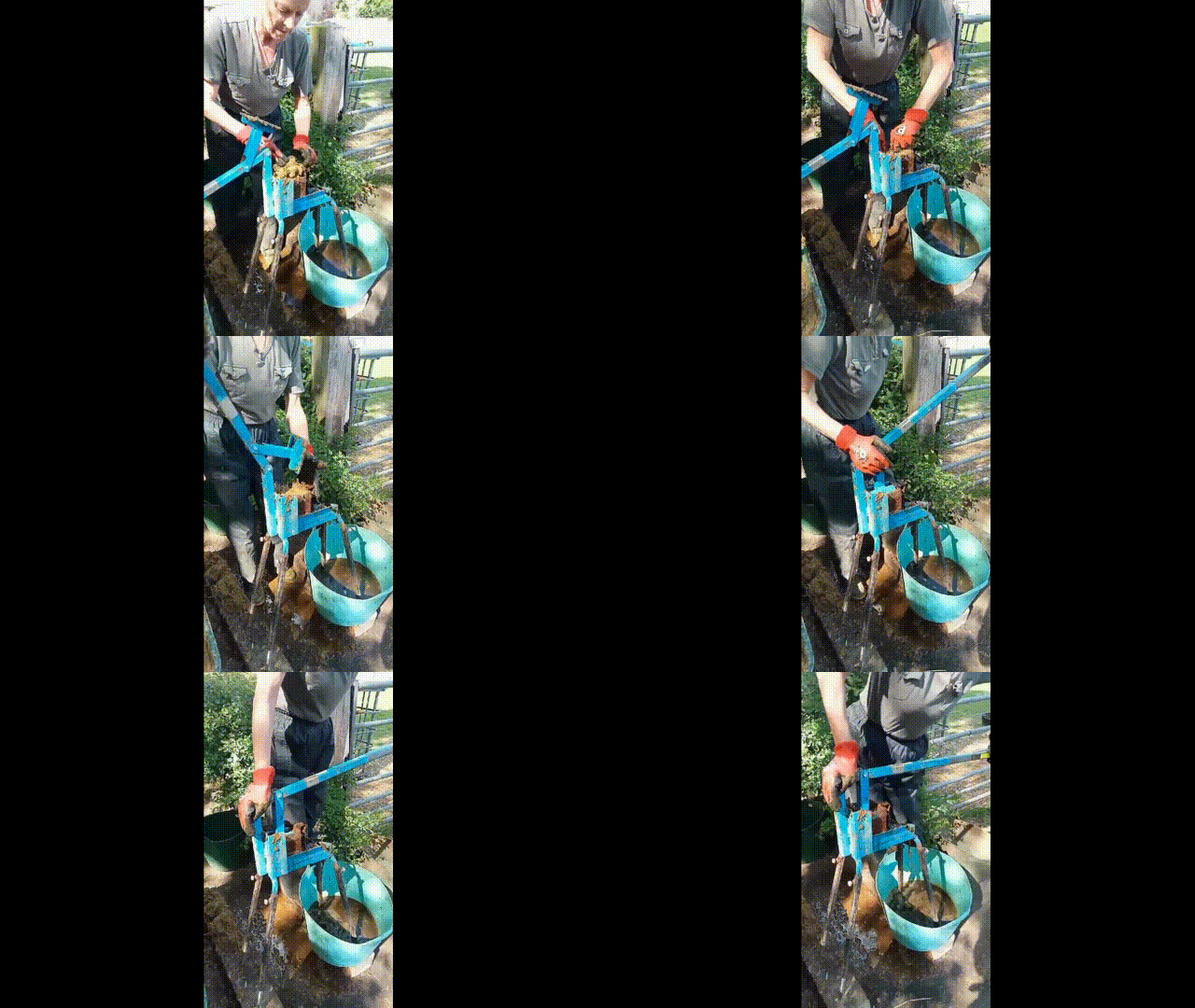
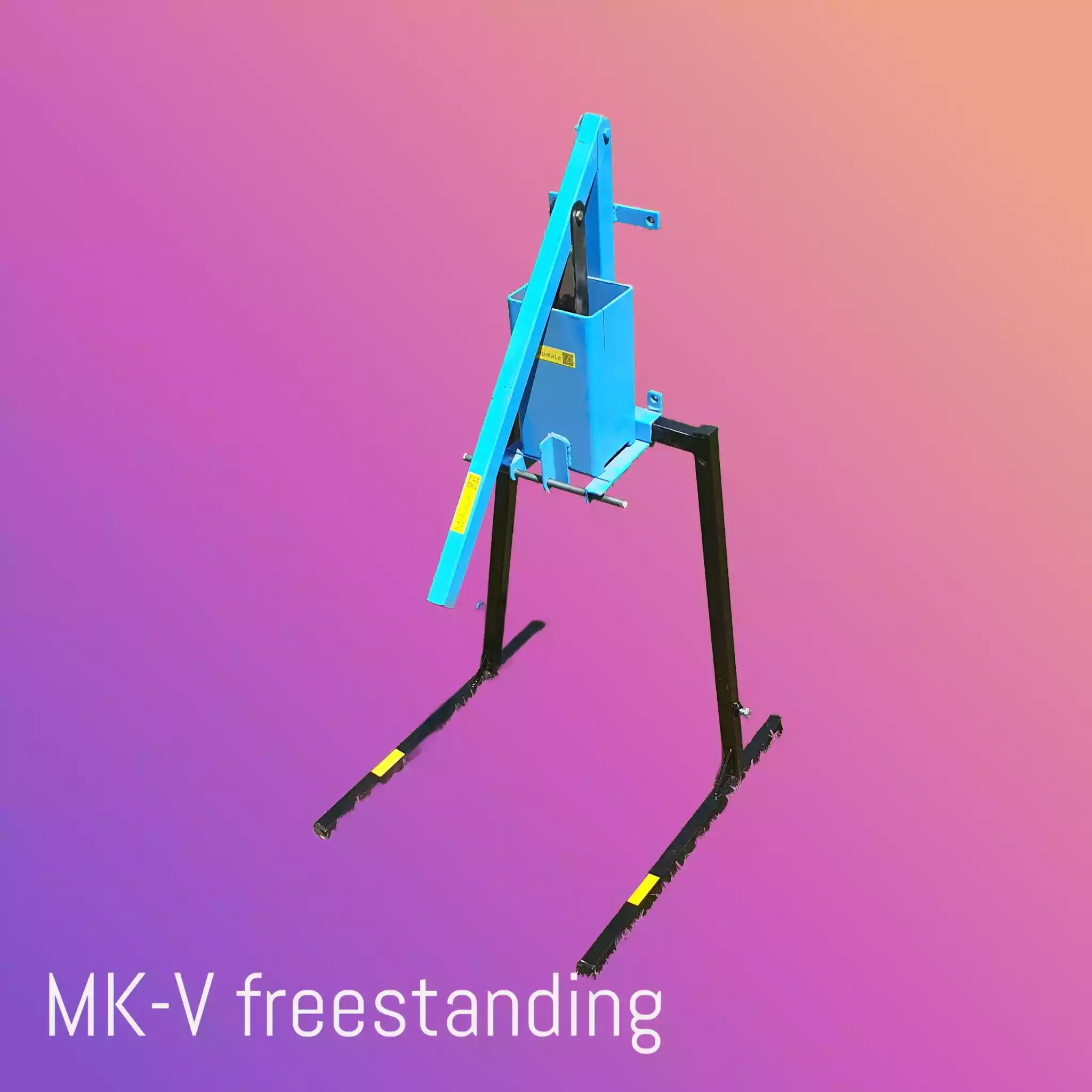
This horse manure brick maker will produce 110mm x 95 mm x 54 mm bricks. All presses are made to order, in Germany. There is a 14-27 working day production time for the press, but it is worth waiting for. They have a very high demand for these presses, They are only a very small company and only a​ble to produce a limited amount of presses at a time. They are extremely strong and made to last. I have had mine since 2022 and it has made over 20 thousand bricks and is still as good as new. Order Here I have made over 5000 briquettes so far this year since mid-March, from only 2 horses. 1 horse will produce 40-50 briquettes per day. I can make a briquette in under one minute. Please see the video below of me making briquettes

Following our merit-led research and evaluation process the Multimate  Paper Briquette Press has been recognised as the deserving recipient of:d

SME Greater London Enterprise Award 2025

Briquette Maker Manufacturer of the Year 2025

Heating Innovation Excellence Award 2025

Visit our shop for more details on our award winning products.

Read here

Read all about how people  are making horse manure briquettes 

1. Collect & Pre‑Dry the Manure
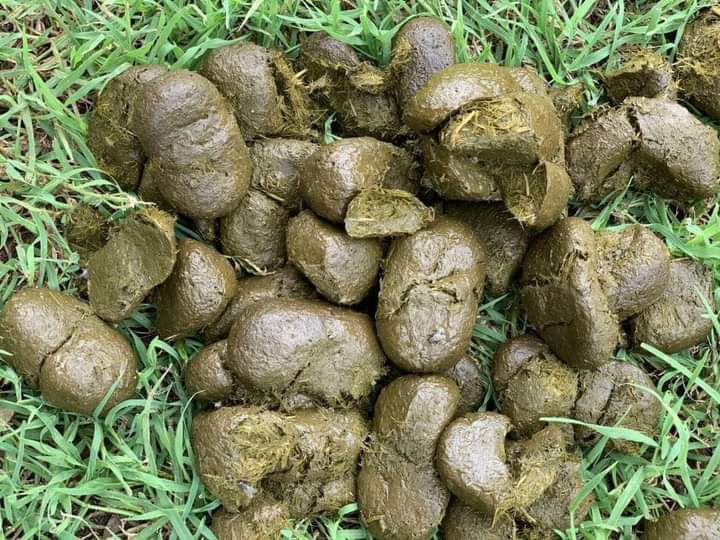
Gather fresh horse manure; bedding (straw/shavings) mixed in is fine.
Spread it in a thin layer 5–7 cm deep on a tarp or drying rack.
Air‑dry for 5–7 days, turning every 48 hours for even drying.
Goal: Moisture below ~20% — it should feel dry, crumbly, and not sticky.
Why this matters: Dry manure compresses better, burns hotter, and produces far less smoke.

2. Shred or Break Up the MaterialBreak up clumps using a shovel, hoe, or small grinder.
Aim for ≤5 mm particle size for best compression (inferred from briquette‑press best practices).

3. Add Binder (Optional but Recommended)Multimate presses can compress pure manure, but adding a binder improves density and burn time. Common binders: Sawdust (10–30%)
Paper pulp (soaked and squeezed newspaper/cardboard)
Clay (5–10%)
Binders increase cohesion and reduce crumbling.

4. Adjust MoistureYou need the mix slightly damp, not wet.Add a small amount of water until the mix holds shape when squeezed.
If water pools in the basket, the mix is too wet.
5. Load the Multimate Briquette BasketPlace the basket in the press.
Fill it loosely with your manure mixture.
Tap the sides to settle the material.
Do not overfill above the rim.

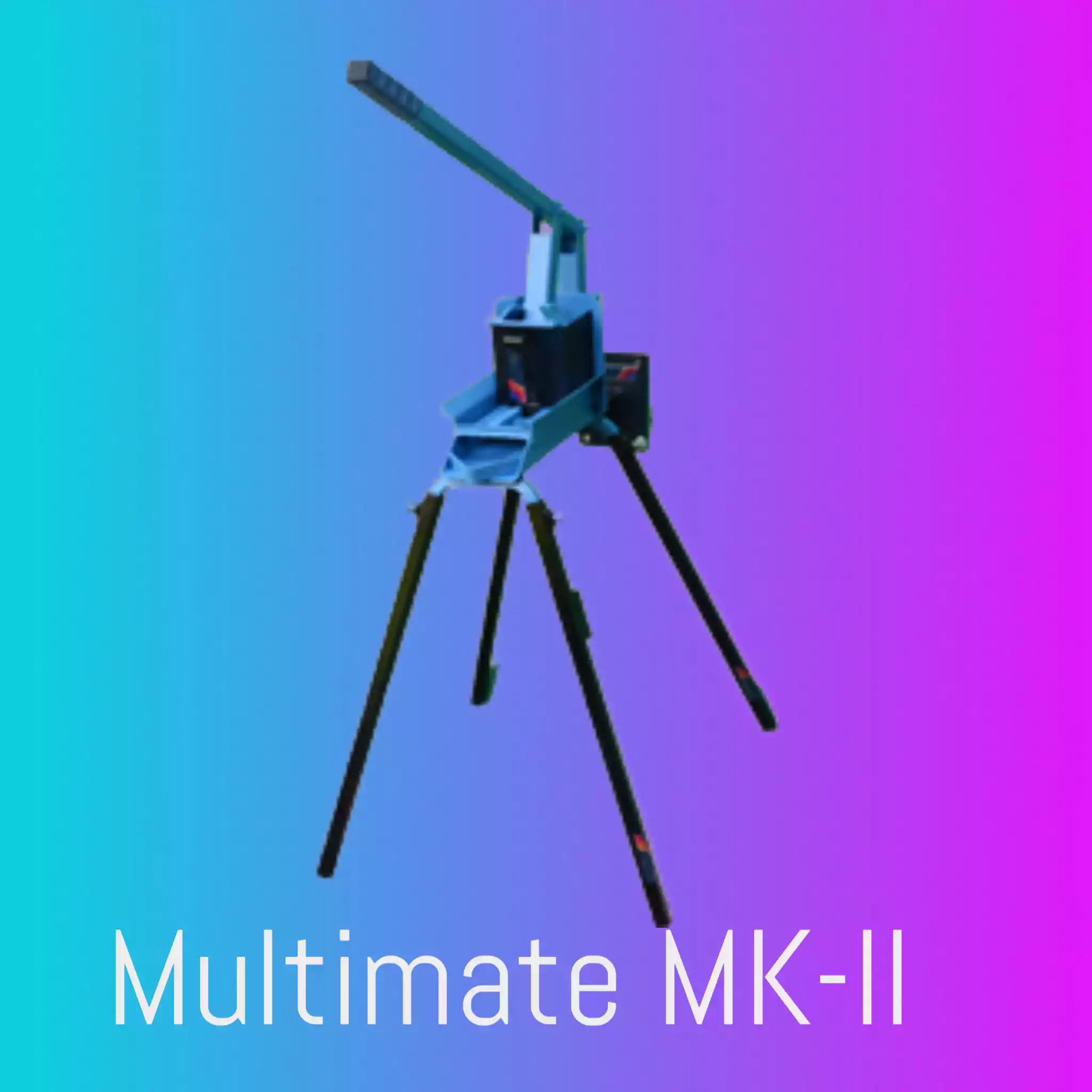
6. Press the BriquetteUsing the Multimate MK‑II or MK‑V lever system:Pull the handle down smoothly.
Apply firm, steady pressure for 5–10 seconds.
Lift the handle, press again if needed for maximum compaction.
The MK‑V has a larger basket (120×120×180 mm) and compresses faster.

7. Remove the BriquetteLift the basket out.
Push the briquette out using the ejector plate.
Handle gently—fresh briquettes are fragile.

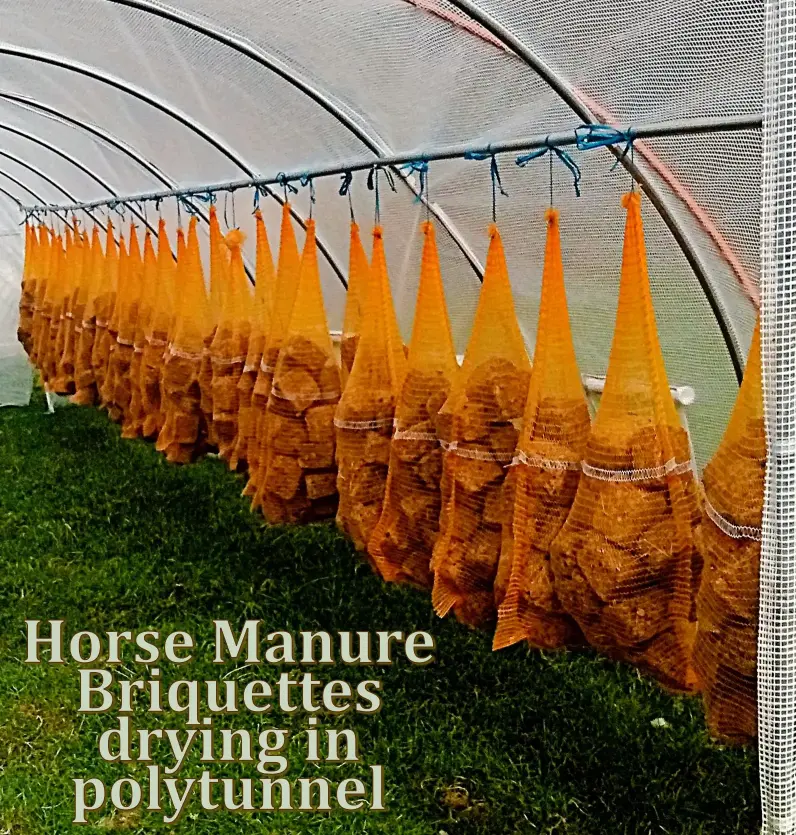
8. Final DryingSun‑drying is ideal:Place briquettes on a rack or pallet with airflow underneath.
Dry for 3–7 days depending on weather.
They should become rock‑hard and much lighter.
Drying is essential for clean burning and long burn time.

🔥 Performance & Burning Tips
Properly dried briquettes burn 3–4 hours with steady heat.
They can be used alone or mixed with wood.
Good airflow in the stove improves burn quality.

Turning horse poo into free heat can be achieved through a process called anaerobic digestion, which breaks down organic matter to produce methane gas for energy.

The methane gas can then be used as a renewable energy source for heating, cooking, and generating electricity, providing a cost-effective and sustainable solution.

By harnessing the power of horse poo, we can reduce waste, lower energy costs, and minimize environmental impact, making it a win-win for both horse owners and the planet.

Turning horse poo into free heat can be achieved through a process called anaerobic digestion, which breaks down organic matter to produce methane gas for energy.